


Sustainability Education: From Awareness to Institutional Transformation

Three major conversations shaping the future of higher education in Latin America
Key takeaways from PRME, CLADEA and AACSB in Montevideo
In October 2026, Montevideo, Uruguay, became a meeting point for the higher education community in Latin America. Three major international gatherings brought together university and business school leaders, academics, researchers, managers, graduate students, and professionals to discuss a shared challenge: how can higher education better prepare future generations to address the world's social, environmental and economic challenges?
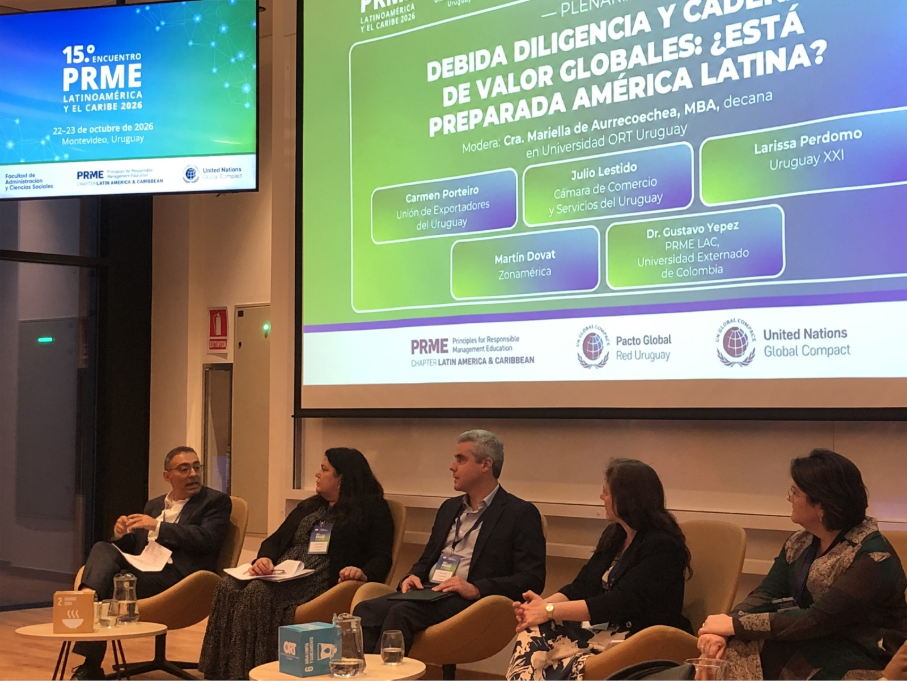
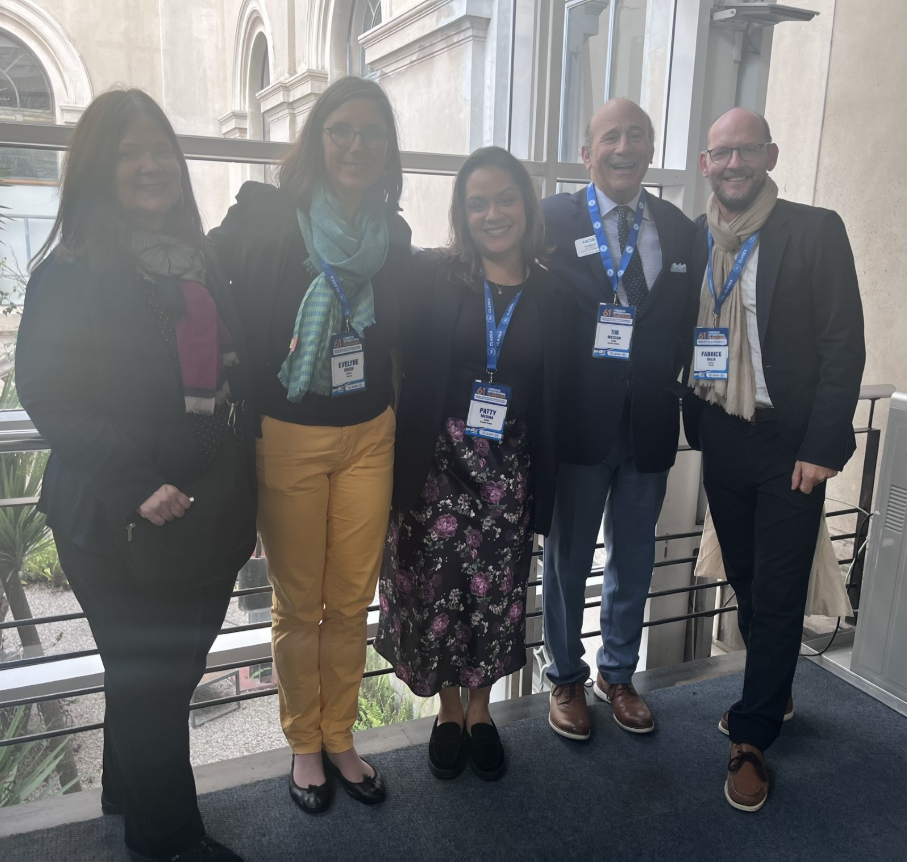
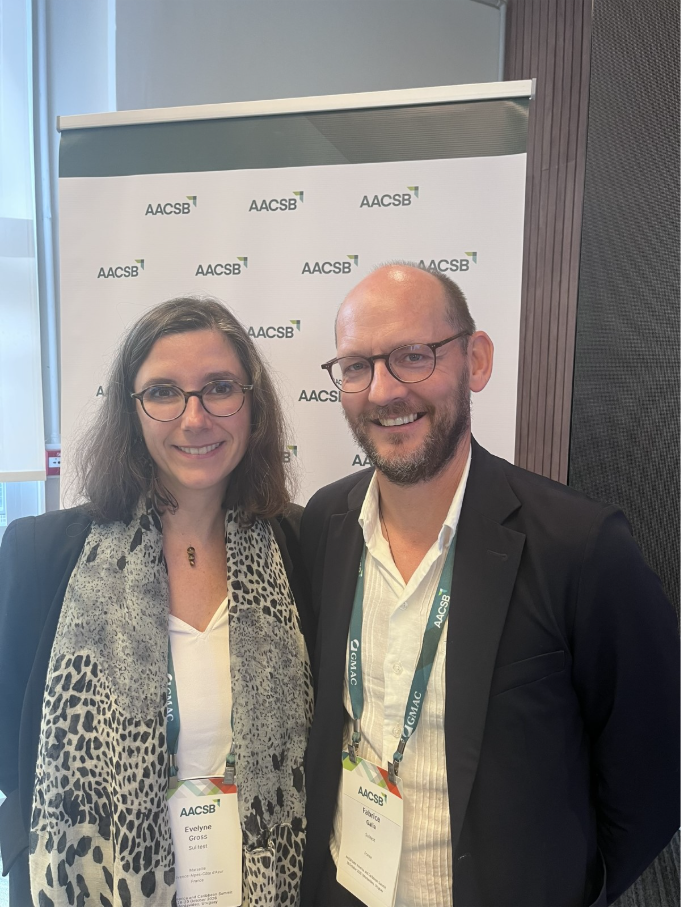
The Sulitest team, represented by Evelyne Gross and Fabrice Galia, participated in three events: the 15th PRME Latin America and the Caribbean Regional Meeting (22–23 October), the 61st CLADEA International Congress (26–28 October) and the AACSB Latin America and Caribbean Summit (28–29 October).
Despite their different perspectives, all three gatherings highlighted a common priority when addressing Higher Education Institutions’ contribution to Sustainability challenges: moving beyond sustainability awareness towards a deeper transformation of education, institutional practices and learning outcomes.
For Sulitest, these conversations clearly reinforced the importance of sustainability literacy: ensuring that learners develop the knowledge and competencies needed to understand complex sustainability challenges and contribute to meaningful change.
Here are the main insights from these three gatherings.
1. PRME: Responsible education as a driver of collective transformation
How can business schools and higher education institutions turn responsible management education into meaningful change? This was the central question explored during the 15th PRME Latin America and the Caribbean Regional Meeting, held in Montevideo, Uruguay, on October 22–23, 2026.
Hosted by Universidad ORT Uruguay, the event brought together more than 100 participants representing universities, business schools, governments, businesses and international organisations from 12 countries under the theme "Collaborating to Bring About Change: Collective Values in Responsible Education."
A central discussion questioned the role of business schools in shaping a sustainable future. David Steingard, Head of PRME, challenged participants with a provocative question: Should business schools close? His intervention encouraged institutions to reflect on whether they are genuinely transforming business models or reproducing existing systems.
The discussion highlighted an important tension: while sustainability has increasingly found its way into academic programmes, courses and institutional strategies, has it fundamentally transformed the way business schools operate?
Participants were encouraged to examine not only what is taught, but also how institutions make decisions, recognise academic contributions, allocate resources and define success.
A key message emerged: responsible management education requires a broader transformation of institutional cultures, priorities and practices, and sustainability cannot be treated as a standalone in the curricula. It requires a broader transformation of institutional cultures, priorities and practices.
In effect, throughout the panels, from climate finance and sustainable value chains to artificial intelligence, inclusive leadership and institutional accountability, the discussions demonstrated both the complexity of the challenges ahead and the opportunities for meaningful collaboration: transformation cannot be achieved by isolated efforts. It requires shared values, collective intelligence and a willingness to turn commitments into concrete action.
What does this mean for sustainability education?
The discussions at PRME reinforced the idea that responsible leadership starts with a solid understanding of sustainability challenges, which must ultimately lead to the ability to act. Universities have a responsibility not only to transmit knowledge, but also to nurture the values, competencies and motivation needed to drive positive change.
For Sulitest, this is closely connected to the development of sustainability literacy: equipping future decision-makers with a shared understanding of the challenges facing our societies and the capacity to contribute to solutions.

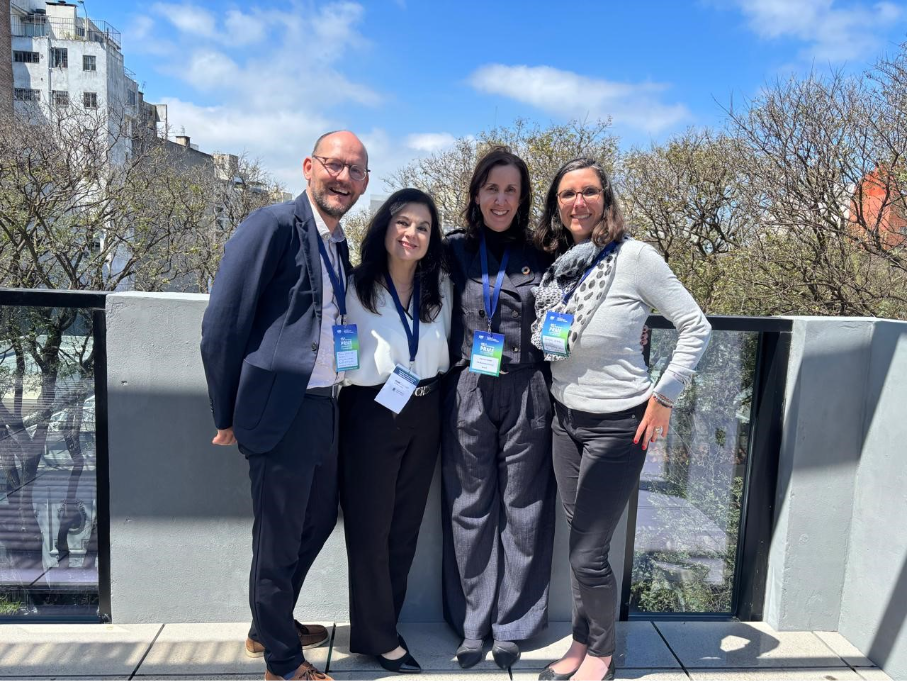
2. CLADEA: Exploring the future of management education, research and institutional innovation.
Bringing together more than 500 academics, researchers, university leaders, PhD students, postgraduate students and professionals, the 61st CLADEA International Congress, hosted by Universidad Católica del Uruguay - UCU, explored the future of management education, research and institutional innovation.
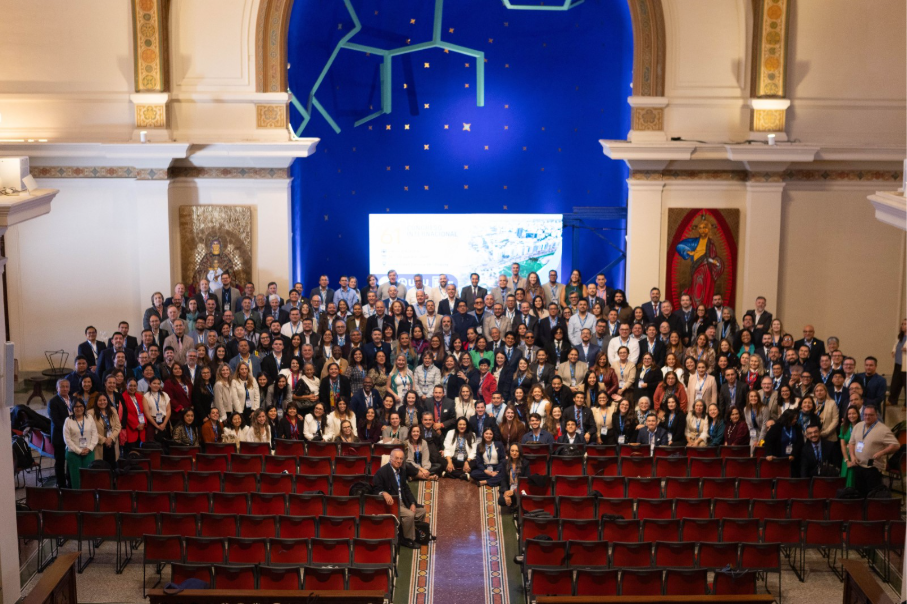
Sustainability was an important part of this conversation, notably through CLADEA's Latin American Network for Sustainability and Social Responsibility.
One particularly thought-provoking discussion was the panel entitled:
"Sustainability or Survival? The Real Dilemma of the Latin American University."
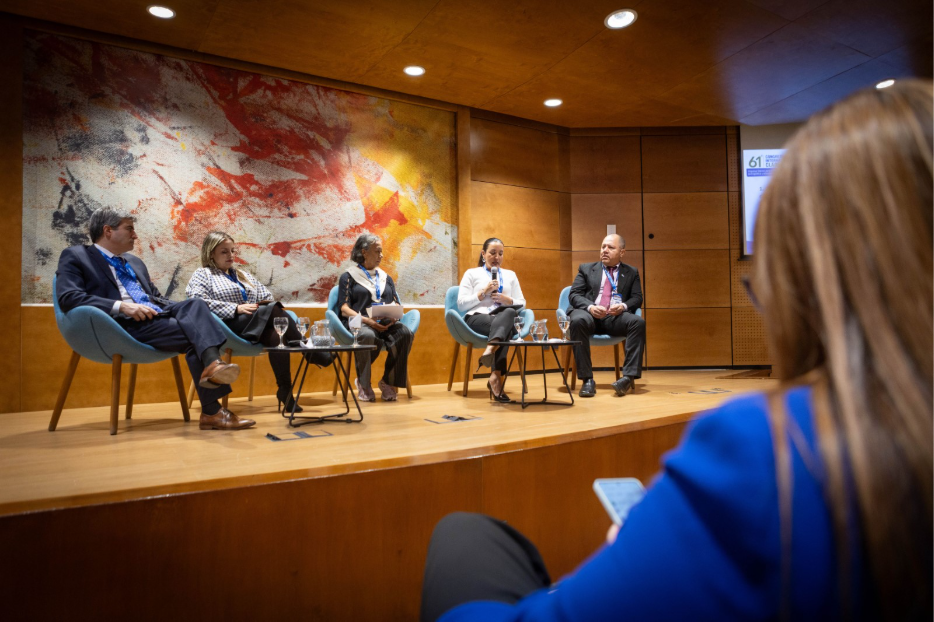
The panel addressed a fundamental question: how can Latin American universities integrate sustainability into their institutional strategies while responding to increasingly complex economic, social and environmental pressures?
This question is particularly relevant in a region where universities face significant challenges related to resources, inequalities, economic development and the need to remain relevant to rapidly changing societies.
The discussion invited institutions to consider sustainability not as an additional responsibility competing with their core missions, but as an essential dimension of their long-term relevance and resilience.
The message was clear: universities need to embed sustainability across their missions, curricula and institutional strategies, while developing solutions that reflect their local realities.
What does this mean for sustainability education?
Sustainability needs to become part of the strategic identity of universities, not simply an isolated academic subject or a collection of extracurricular initiatives.
The Latin American context also reminds us that there is no single model for transformation. Educational approaches must respond to local realities, institutional priorities and the needs of communities.
Sharing knowledge and experiences across institutions is therefore essential to accelerating progress. For Sulitest, the development of the Spanish-language TASK™ community represents an important step towards making sustainability knowledge assessment more accessible and encouraging regional collaboration.
3. AACSB: Transforming business education through innovation, quality and impact
The AACSB Latin America and Caribbean Summit brought together business school leaders and academics to explore the future of business education under the theme "Advancing Business Education Through Partnership and Collaboration."
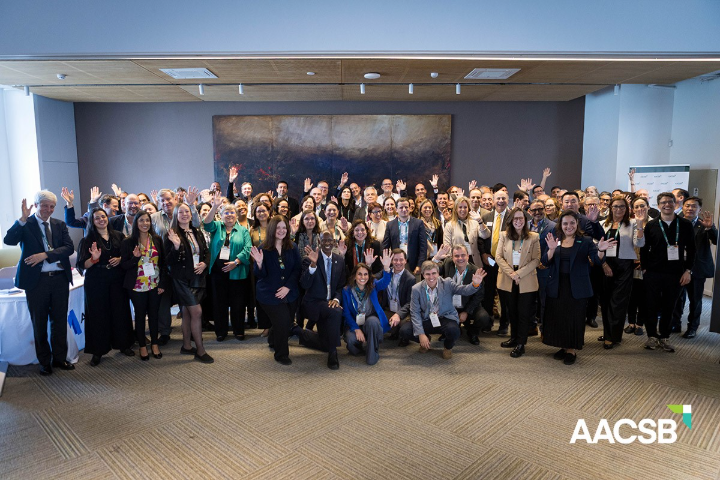
Discussions addressed key challenges shaping higher education, including the impact of AI on teaching and learning, the role of accreditation and quality assurance in driving institutional improvement, and the importance of attracting and developing academic talent. Participants also highlighted the value of regional partnerships, professional networks and knowledge-sharing in fostering innovation and strengthening business schools.
A central theme was how institutions can better measure and demonstrate their societal impact, reinforcing the importance of aligning educational strategies with broader social and sustainability challenges.
Sulitest spotlight: Assessment as a catalyst for embedding sustainability into business education
Moderated by Evelyne Gross, Expert in International Accreditations and Sustainability and Sulitest Ambassador in LATAM, the panel "Measuring Societal Impact in the Region: Practical Strategies for Business Schools at Every Stage" explored a fundamental question: how can assessment help transform sustainability from an institutional commitment into an integral part of business education?

A central message emerged from the discussion: sustainability needs to be embedded into the institution’s mission, curriculum, learning outcomes and quality assurance processes—not treated as a separate initiative.
Bringing together Juan C. Sosa (Universidad Ana G. Méndez, Puerto Rico), Liliana López Jiménez (Universidad Externado de Colombia, Colombia) and Mariella Olivos Rossini (Universidad ESAN, Peru), the panel explored how institutions can move from sustainability commitments to measurable educational outcomes.
From aligning institutional missions with strategic sustainability priorities, to incorporating sustainability into learning goals and Assurance of Learning processes transversally, the examples demonstrated how assessment can make sustainability tangible and actionable for students on the one hand, and allows to identify improvement actions and content adaptations on the other hand.
The panel also highlighted the importance of moving beyond activities and intentions toward evidence of outcomes. Direct assessment methods, such as business simulations or sustainability consulting, can evaluate students’ ability to make responsible decisions, while longer-term indicators can help institutions understand their contribution to communities and society.
It demonstrated how assessment and accreditation processes can become powerful levers for educational transformation.
When sustainability learning outcomes are clearly defined, assessed and used to inform improvements, institutions can move from intentions to evidence-based action.
What does this mean for sustainability education?
For Sulitest, this conversation reinforces a key principle: what we assess influences what we value, learn and ultimately put into practice. Strengthening the connection between sustainability education, assessment and societal impact is therefore essential to preparing future business leaders to address the complex challenges of our time.
The ultimate objective is not simply to measure knowledge, but to use assessment as a lever for better education and greater societal impact.
4. Common lessons: From sustainability awareness to sustainability literacy
Across the PRME, CLADEA and AACSB events, five common lessons emerged:
- Move beyond awareness: Develop the knowledge, critical thinking and competencies needed to address complex sustainability challenges.
Introducing students to sustainability concepts is essential, but it is only the starting point.
Learners need to develop a deeper understanding of the interconnected environmental, social and economic challenges shaping our world. They also need the ability to analyse complex situations, question assumptions and make informed decisions.
- Embed sustainability across disciplines: Make it an integral part of educational programmes and institutional strategies.
Sustainability cannot remain confined to specialised programmes or individual courses. It needs to become part of the educational experience across disciplines, from business and economics to engineering, law, healthcare and the social sciences.
This requires institutional leadership, faculty engagement and a coherent approach to curriculum development.
- Measure progress: Use assessment and evidence to identify gaps and improve learning outcomes.
Assessing sustainability knowledge can help identify gaps, inform teaching strategies and demonstrate progress.
It also creates opportunities to align sustainability objectives with institutional quality assurance and continuous improvement processes.
- Strengthen collaboration: Connect universities, businesses, governments and regional networks.
No university or business school can address the sustainability transition alone. Partnerships between institutions, businesses, governments and civil society are essential to sharing expertise, developing innovative approaches and scaling successful initiatives.
Regional communities also have a vital role to play in ensuring that solutions remain relevant to local contexts while contributing to global progress.
- Prepare future change-makers: Develop responsible leaders capable of translating knowledge into action.
It is about developing individuals who can understand complexity, work across disciplines, engage with different perspectives and contribute to the transformation of organisations and societies.
This requires education that combines knowledge, critical thinking, values and the capacity to act.
Looking ahead: Education as a collective responsibility
For Sulitest, these conversations reinforce the importance of sustainability literacy as a foundation for change. Through TASK™ and its growing international community, Sulitest supports institutions in assessing knowledge, identifying learning gaps and strengthening sustainability education.
Ultimately, the challenge is not simply to teach more about sustainability, but to ensure that every learner develops the knowledge and competencies needed to contribute to a more sustainable world.
The journey towards a sustainable future begins with what we learn — and what we choose to do with that knowledge.
Connecting with our community
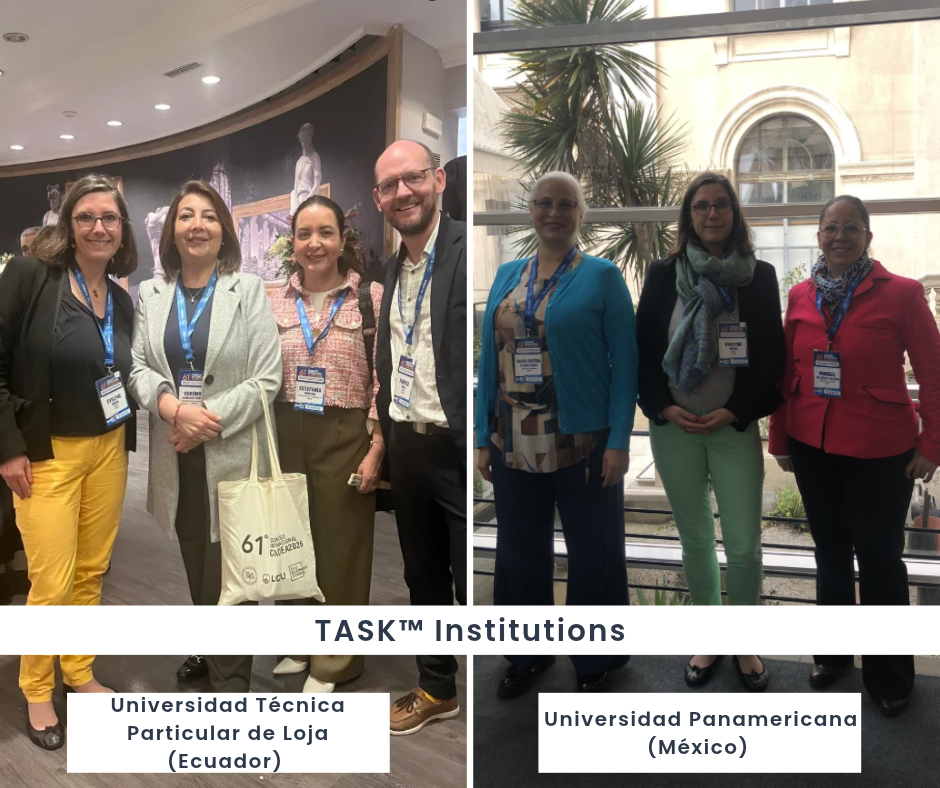
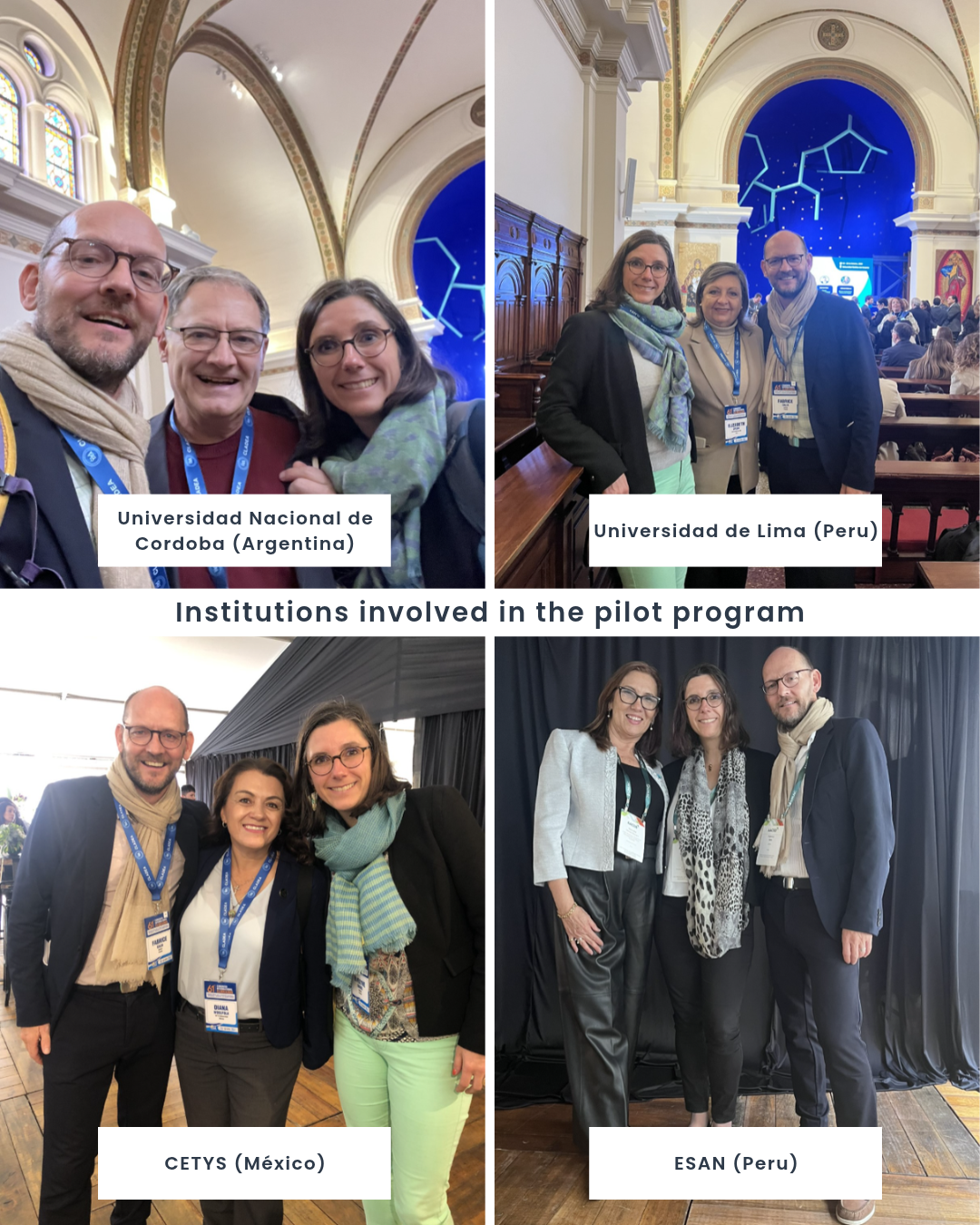
For Sulitest, these events were also an opportunity to connect with the growing community of Latin American institutions working to integrate sustainability into their educational programmes, in particular with some of institutions from our TASK™ community in America Latina - Universidad Técnica Particular de Loja (Ecuador), Universidad Simón Bolívar (Colombia), Universidad Panamericana (México) - who were participating to the events, and some of the institutions who contributed to the pilot of TASK™ in Spanish - EGADE (México), CETYS (México), Universidad de Lima (Peru), ESAN (Peru), Universidad Nacional de Cordoba (Argentina).



Stay in the loop!
Are you interested in sustainability education, the latest news from our movement, or key events in the sector?
